4-20 mA Process Control Loops | DCS Control Loop | Inst Tools

4 20 Ma Process Control Loops What Is A Loop ? Components Of Loop

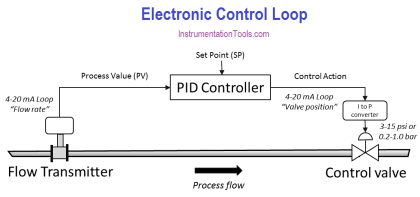
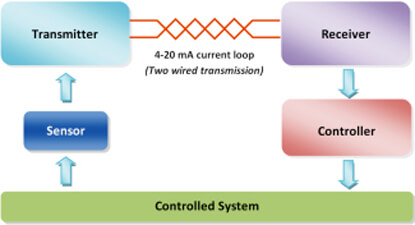
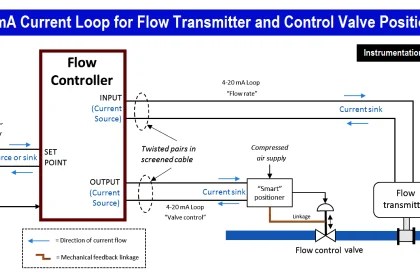
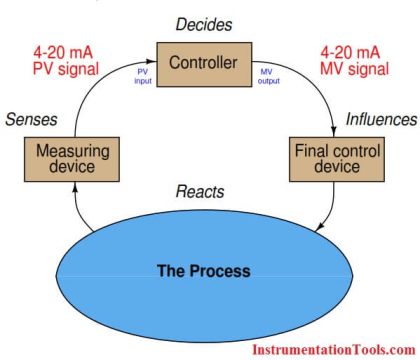
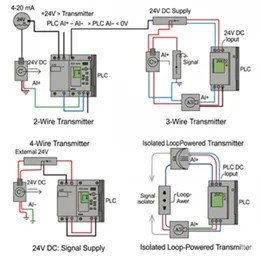
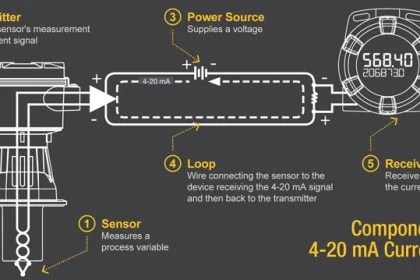
These loops are used both for carrying sensor information from field instrumentation and carrying control signals to the process modulating devices, such as a valve Stay updated with the latest news and stories from around the world on google news.

The key advantages of the current loop are: It is an analog method for communicating and transmitting measurement signals. It connects pressure transmitters, temperature.

Basics of 4 to 20 mA Analog Signals - Instrumentation Tools

Control valve parts — explained simply a control valve is the final control element in any process loop

But what actually makes it work so precisely
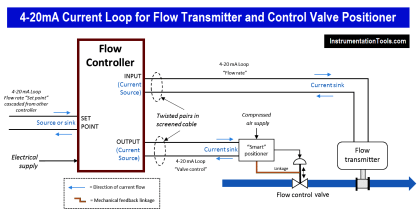
4-20 mA Process Control Loops | DCS Control Loop | Inst Tools

Details

4-20 mA Process Control Loops | DCS Control Loop | Inst Tools

Details

What Every Instrument Engineer Should Know? - Job Roles

Details

What is a Control Loop ? | Components of Control Loop

Details

Basics of 4 to 20 mA Analog Signals - Instrumentation Tools

Details

Understanding 4-20 mA Current Loop in PLC: Working, Uses, and Advantages

Details

Testing and Troubleshooting 4-20 mA Control Loops Presented by Fluke

Details

Why range 4 - 20 mA - PLCdesign

Details

4-20 mA Current Loop | Basic Fundamentals

Details

Instrumentation Symbols Legend | Instrumentation Tools

Details