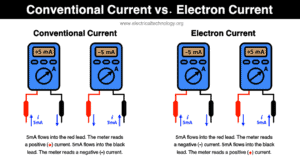
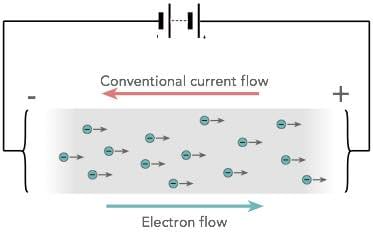
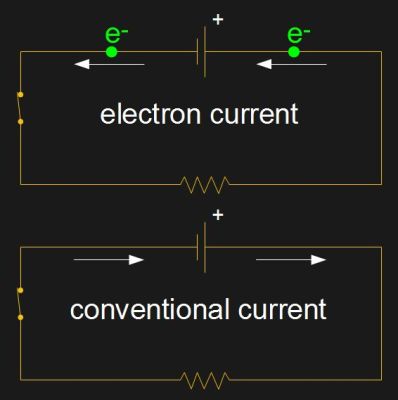
The charge particles can be negative or positive Understanding the difference between electron flow and conventional current is critical for designing, analyzing, and troubleshooting circuits The electric current is divided into two types of current based o…
What is Conventional Current and Electron Current | Electrical4u
Learn the difference between conventional current vs electron flow, how each works, and why it matters when analyzing or designing electrical circuits.
In conclusion, conventional current and electric current are two ways to describe the flow of electric charge in a conductor
Conventional current assumes the flow of positive charges and simplifies. Both conventional current and electron flow offer valuable perspectives in understanding electrical currents While they differ in direction and historical background, they are integral to electrical. Should you use conventional current flow or electron flow
Both models will produce accurate results if used consistently, and they are equally “correct” insofar as they are tools that help us to understand. Two different type of current is considered while solving network problems, which are conventional current and electron current In earlier days’ people thought that the current flows due to the flow of. Some people consider conventional current and some people consider electronic current

In this article, we’ll explain the difference between both current types, and their history for your better.
Conventional theory is the original belief that electricity flows from the positive side to the negative side of a battery Electron theory is the opposite of that and what is explained in this video (current). While anything could flow, conventional current is chosen to be one specific thing flowing, namely positive charges Just to say, the term electronic current is not a standard term