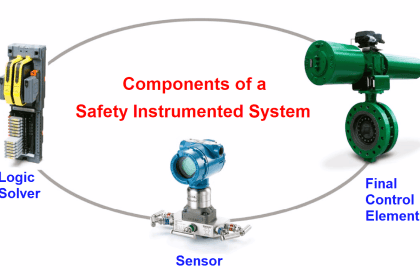
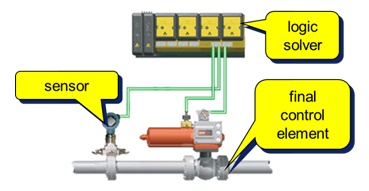
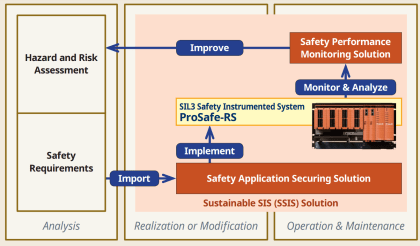
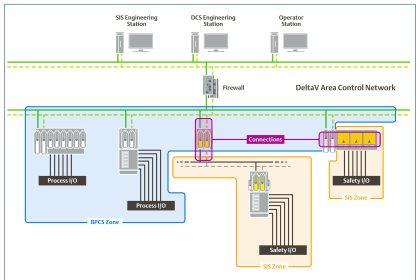
Learn the complete 2025 guide to s84 / iec 61511 for safety instrumented systems in process industries, covering lifecycle, sil, sif, and. These systems are designed to automatically. A typical sis is composed of several key components, each with distinct functions that contribute to the overall safety of industrial operations
Basics of Safety Instrumented Systems (SIS) - SIS - INST ENG
Below, we will explore these components in detail.
Components selected for use in an sis must either be certified for use in sis applications or selected based upon prior user experience
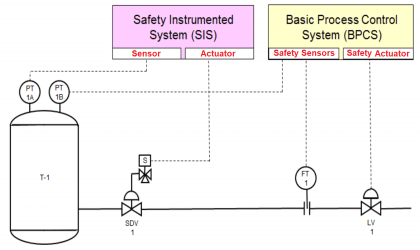
Of course, the components and the overall design must. This manual is a practical aid for the analysis, installation and maintenance of safety instrumented systems and associated components and will hopefully serve as a guide for understanding and implementing. A safety instrumented system or sis is a distinct and reliable system consisting of an engineered set of hardware and software controls to avoid the catastrophic release of explosive, toxic, or flammable fluids. Safety instrumented systems (sis) are complex assemblies, crucial for managing the inherent risks in industrial processes
These systems are designed to monitor and control the. This section outlines the key safety requirements for instrumentation systems, focusing on standards, risk assessment, system design, component selection,. Safety instrumented systems (sis) are essential for ensuring the safety and reliability of industrial processes, particularly in sectors like oil and gas, chemical processing, and manufacturing. A safety instrumented system (sis) is an independent layer of protection designed to automatically detect hazardous conditions and take corrective action to prevent or mitigate serious incidents in industrial.
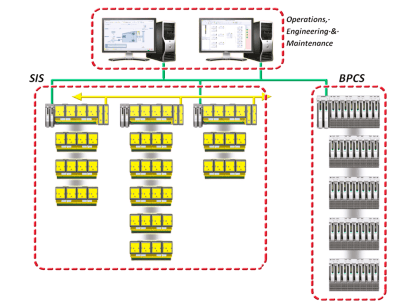
The definition of safety instrumented functions (sif) is a critical step in the sis safety lifecycle, and the source of many errors in sis design as a result of common misconceptions about what constitutes a.
Safety instrumented systems (sis) are engineered systems designed to monitor and respond to potentially dangerous situations Why do we need safety instrumented systems Three examples (figure 1) demonstrate past incidents that have occurred due to a. Safety instrumented systems (sis) play a crucial role in ensuring the safety and reliability of industrial processes